
Indian River County / Vero Beach & Sebastian
Septic pumping, repair & 2030 lagoon upgrades across Indian River County
Routine pumping through full nitrogen-reducing upgrades — scheduled by us, performed by Florida-registered, insured septic contractors. We'll tell you where your address stands on the 2030 rule before you spend anything.
The one thing every Indian River County septic owner should know
By July 1, 2030, about 27,000 septic properties here must upgrade to a nitrogen-reducing system.
Roughly 28,000 properties on septic sit inside the lagoon program area. Fewer than 1,000 of them are in an existing or planned sewer service area — so most owners will never get a sewer line, and the deadline applies to them anyway. There is no county upgrade grant today.
- Deadline
- 1 July 2030
- In the area
- ~28,000
- Getting sewer
- <1,000
- Verified
- September 16, 2026
What we do
Six things, done properly
Septic tank pumping
$300–$550
The cheapest thing you can do for a system, and the one most often skipped.
DetailsDrain field repair
$5,000–$15,000; mound or elevated fields at the top of that range
Diagnosis before replacement — most fields fail for a reason worth finding.
DetailsInspections
$175–$550; ATU inspections $350–$600
For a sale, a refinance, or knowing where you stand. Report the same day.
DetailsATU upgrades
$15,000–$25,000 to retrofit an existing system (county estimate)
The nitrogen-reducing unit the grants pay toward, and its service contract.
DetailsEmergency service
Backing up, overflowing, or standing water over the field.
DetailsEverything else
Locating, cleaning, lift stations, filters and the odd jobs in between.
Details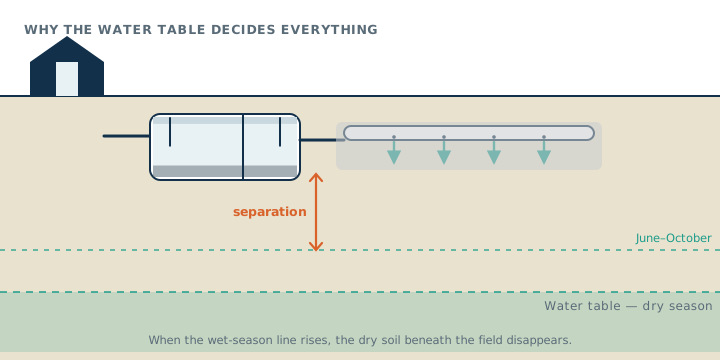
Why here is different
Your drain field needs dry soil beneath it. Here that soil is seasonal.
Indian River County is sand over a shallow water table that climbs through the wet season, June to October. When it climbs, the dry soil beneath a drain field — the part actually doing the treatment — thins out, and a field that took water all winter stops taking it.
That pattern is behind most of the calls we take, and most of it is avoidable: pump on schedule, and know whether your field was sized for the wet season or the dry one. It also matters for the 2030 rule, because a field that fails inside the lagoon area cannot be replaced like for like.
How it works
Three steps, no surprises
- 1
Call or book
Tell us the address and what it's doing. Emergencies go to the front of the day.
- 2
Price confirmed before we roll
You get the number on the phone, not at the driveway with the truck already there.
- 3
Licensed crew, written record
Tank size, sludge depth and a recommended next date, in writing.
All work is performed by local licensed, permitted Florida-registered septic tank contractors.
Where we work
13 communities across Indian River County / Vero Beach & Sebastian
Money
Straight answers on cost
Get started
Book a visit or get a price
All work is performed by local licensed, permitted Florida-registered septic tank contractors.